

Yüksek Kesmeli Mikser Granülatör Nedir?
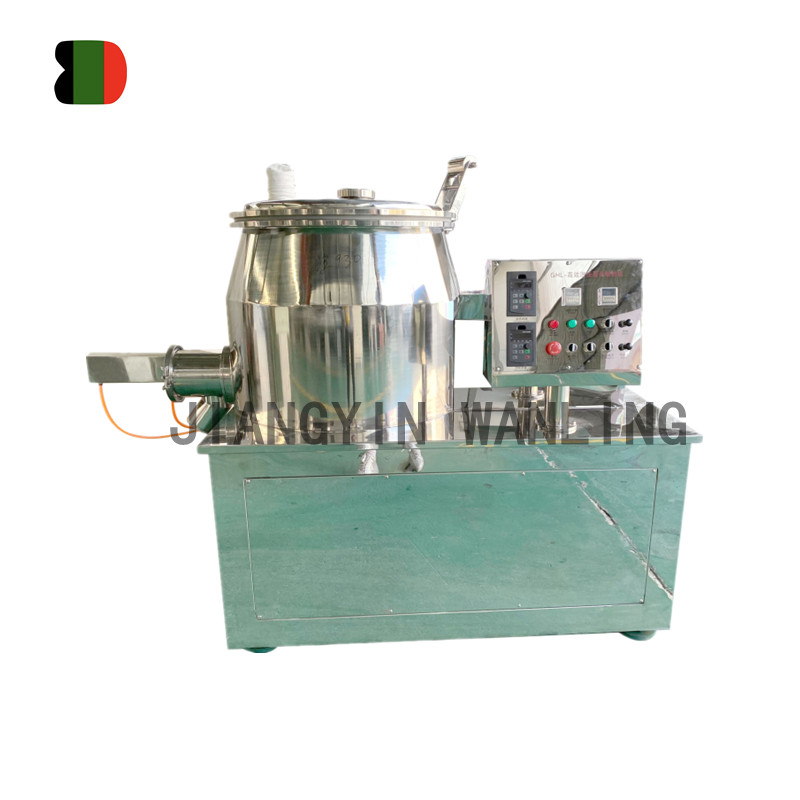
A yüksek kesmeli karıştırıcı granülatör (HSMG) kuru toz karıştırma ve ıslak granülasyonu tek, kapalı bir kapta birleştiren farmasötik ve endüstriyel bir işleme makinesidir. Tozları eş zamanlı olarak karıştırmak, bağlayıcı sıvıyı dağıtmak ve ince parçacıkları yoğun, tekdüze granüller halinde topaklaştırmak için bir kasenin dibinde dönen yüksek hızlı bir pervane ve yan tarafa monteli bir kıyıcı bıçak kullanır. Kuru karıştırmadan granül oluşumuna kadar tüm süreç, ürünü ayrı ekipman parçaları arasında aktarmadan tek bir ünitede gerçekleşir.
Yüksek parçalayıcı karıştırıcı granülatörler, farmasötik tablet üretiminde baskın granülasyon teknolojisidir çünkü ürettikleri granüller yoğun, serbest akışlı ve sıkıştırılabilir özelliklerdir; bu özellikler tutarlı tablet ağırlığı ve sertliği için kritik öneme sahiptir. Deterjan, gübre, seramik ve gıda ürünlerinin üretiminde de aynı teknoloji kullanılıyor. Bu makinenin nasıl çalıştığını anlamak, mekanik bileşenlerini, granül oluşumunun fiziğini ve gevşek tozu bitmiş granüllere dönüştüren işlem aşamalarının sırasını incelemeyi gerektirir.
Anahtar Bileşenler ve İşlevleri
Her yüksek kesmeli mikser granülatörü ortak bir çekirdek bileşen setini paylaşır ve her biri granülasyon mekanizmasında belirli bir rol oynar. Bu bileşenler arasındaki etkileşim, makinenin performansını ve kontrollü özelliklere sahip granüller üretme yeteneğini tanımlayan şeydir.
- Kase (kap): toz kütlesini tutan paslanmaz çelik kap. Çapı, derinliği ve duvar eğriliği de dahil olmak üzere çanak geometrisi, toz sirkülasyon modellerini ve karıştırma verimliliğini doğrudan etkiler. Kaseler tipik olarak bombeli bir tabana sahip yarım küre veya silindir şeklindedir.
- Ana pervane: kasenin altına monte edilen ve yüksek torklu bir motorla çalıştırılan çok bıçaklı, dönen bir alet. Pervane, toz kütlesini toroidal (halka şeklinde) bir akış düzeninde kaldırıp dolaştırarak birincil karıştırma hareketini oluşturur. Kesin hızlar makine boyutuna ve uygulamaya göre değişmekle birlikte, tipik olarak 100 ile 500 RPM arasında değişen hızlarda çalışır.
- Kıyıcı (granülleştirici bıçak): ana pervaneye dik olarak yönlendirilmiş, çanağın yan duvarına monte edilmiş küçük, yüksek hızlı bir bıçak. Kıyıcı 1.000 ila 3.000 devir/dakika hızlarda döner ve büyük topakların parçalanmasından ve granül boyutu dağılımının kontrol edilmesinden sorumludur. Kıyıcı olmasaydı ıslak kütle büyük, kontrolsüz topaklar halinde birleşirdi.
- Bağlayıcı ekleme bağlantı noktası: granülleştirici sıvının (bağlayıcı çözelti) toz yatağına verildiği bir püskürtme memesi veya sıvı ekleme portu. Aşırı ıslanmayı önlemek için kontrollü sıvı ekleme oranı kritik öneme sahiptir.
- Tahrik motorları: ayrı motorlar pervaneyi ve kıyıcıyı bağımsız olarak kontrol ederek proses mühendislerinin granülasyon döngüsünün farklı aşamaları sırasında her hız değişkenini ayarlamasına olanak tanır.
- Deşarj portu: Granülasyon tamamlandıktan sonra bitmiş granülleri aşağı akışlı bir kurutucuya (tipik olarak akışkan yataklı bir kurutucuya) boşaltmak için açılan, kasenin tabanında veya yanında bulunan bir valf.
Adım Adım Çalışma Prensibi
Yüksek kesmeli karıştırıcı granülatörün çalışma prensibi, birkaç farklı işlem aşamasında ortaya çıkar. Her aşama bir öncekinin üzerine inşa edilir ve hedef yoğunluk, boyut ve gözenekliliğe sahip granüller üretmek için aşamalar arasındaki geçişin dikkatli bir şekilde kontrol edilmesi gerekir.
Birinci Aşama: Kuru Karıştırma
Süreç kuru karıştırma ile başlar. Aktif farmasötik içerik (API), laktoz veya mikrokristalin selüloz gibi dolgu maddeleri ve intragranüler eksipiyanlar gibi tüm toz bileşenler kaseye yüklenir. Daha sonra ana pervane, tipik olarak 150 ila 300 RPM arasında orta bir hızda etkinleştirilir. Dönen pervane kanatları toz yatağını tarayarak malzemeyi haznenin tabanından kaldırır ve sürekli bir toroidal sirkülasyonla yukarı ve dışarı doğru fırlatır. Bu sirkülasyon düzeni, herhangi bir sıvı verilmeden önce tüm toz bileşenlerin homojen bir şekilde dağıtılmasını sağlar. Kuru karıştırma, parti büyüklüğüne ve harmanlanan bileşenlerin sayısına bağlı olarak genellikle 2 ila 5 dakika sürer.
Bu aşama sırasında, sıkıştırılmış toz topaklarını veya yapışkan malzeme topaklarını parçalamak için kıyıcı aralıklı olarak çalıştırılabilir. Kuru karıştırmanın sonundaki amaç, farklı yoğunluk veya parçacık boyutuna sahip bileşenler arasında görünür bir ayrım olmaksızın, tekdüze, tamamen harmanlanmış bir toz kütlesidir.
İkinci Aşama: Bağlayıcı Ekleme ve Islak Kütleleme
Kuru karıştırma tamamlandıktan sonra bağlayıcı sıvı, dolaşan toz yatağına eklenir. Yaygın bağlayıcılar arasında polivinilpirolidon (PVP), hidroksipropil metilselüloz (HPMC) veya jelatinin sulu çözeltileri bulunur. Sıvı, toz yüzeyine mümkün olduğu kadar ince bir şekilde dağıtmak için tipik olarak bir ağızlıktan püskürtülür, ancak daha az hassas formülasyonlar için yerçekimi ilavesi de kullanılır. Sıvı, tozla temas ettiğinde bireysel parçacıkları ıslatır ve bitişik parçacıklar arasında sıvı köprüler oluşturmaya başlar.
Ana pervane ıslak kütleyi kuvvetli bir şekilde sirküle etmeye devam eder. Pervaneden gelen mekanik enerji girişi, giderek nemlenen tozu yoğurur ve sıkıştırır, kütle boyunca sıvı dağılımını sağlar. Sıvı içeriği arttıkça, parçacıklar arasında daha fazla sıvı köprü oluşur ve kütle, gevşek bir tozdan yapışkan, ıslak granüler bir malzemeye geçmeye başlar. Bu aşamaya ıslak kütle oluşturma adı verilir ve bu noktadaki malzemeye genellikle ıslak kütle veya yeşil granüller adı verilir. Kıyıcı, kütlenin büyük, halat benzeri topaklara dönüşmesini önlemek için aynı anda çalışır.
Üçüncü Aşama: Granül Büyümesi ve Boyut Kontrolü
Yüksek kesmeli karıştırıcılı granülatörde granül büyümesi, köklü bir mekanizma dizisini takip eder. Başlangıçta çekirdeklenme, ıslak parçacıkların çarpışıp birbirine yapışması ve küçük çekirdekler oluşturmasıyla meydana gelir. Bu çekirdekler daha sonra iki ana mekanizma ile büyür: yüzeyleri yeterince ıslak ve deforme olabilirse iki granülün çarpışma üzerine birleştiği birleşme; ve ince parçacıkların mevcut granüllerin yüzeyine yapıştığı katmanlaşma.
Birleşme ve katmanlaşma arasındaki denge nihai granül boyutu dağılımını belirler. Çark tarafından üretilen yüksek kesme kuvvetleri çarpışmalar için kinetik enerji sağlarken, kıyıcı büyük boyutlu aglomeraları sürekli olarak daha küçük parçalara ayırır. Büyüme ve kırılma arasındaki bu dinamik denge, yüksek parçalayıcılı granülatörlere sıkı, kontrollü bir boyut aralığında (genellikle farmasötik uygulamalar için 200 ila 800 mikrometre arasında) granüller üretme yeteneğini veren şeydir.
Proses mühendisleri, ıslak kütle yoğunlaştıkça ve daha dirençli hale geldikçe artan pervane motor akımını (amper) takip ederek ıslak kütle oluşturma aşamasını izler. Çoğunlukla uç nokta olarak adlandırılan tepe amper noktası, granül büyümesinin tamamlandığını ve ıslak kütlenin kurutma için en uygun nem içeriğine ve yoğunluğa ulaştığını gösterir.
Dördüncü Aşama: Taburcu
Granülasyon son noktasına ulaşıldığında pervane ve kıyıcı durdurulur ve tamburun tabanındaki boşaltma vanası açılır. Islak granüller yerçekimi etkisiyle veya bir kazıyıcı bıçağın yardımıyla bir alıcı konteynere veya doğrudan bağlı bir akışkan yataklı kurutucuya düşer. Islak granül yatağının katılaşmasını ve işlenmesini zorlaştırmasını önlemek için boşaltma adımının hızlı bir şekilde tamamlanması gerekir. Tamamen entegre üretim hatlarında, yüksek parçalayıcı karıştırıcı granülatör doğrudan akışkan yataklı kurutucu haznesinin üzerine monte edilir, böylece boşaltma kesintisiz ve kapalı olur, ürün kalitesi ve operatör güvenliği korunur.
Granül Kalitesini Etkileyen Kritik Proses Parametreleri
Yüksek kesmeli mikser granülatör tarafından üretilen granüllerin kalitesi, formülasyon değişkenleri ve proses parametrelerinin bir kombinasyonu ile belirlenir. Bu değişkenlerden herhangi birinin değiştirilmesi, granül büyümesi ve kırılması arasındaki dengeyi değiştirerek granüllerin çok ince, çok kaba, çok sert veya çok gözenekli olmasına neden olur. Aşağıdaki tablo en önemli proses parametrelerini ve bunların granül özellikleri üzerindeki etkilerini özetlemektedir.
| Proses Parametresi | Artmanın Etkisi | Azalmanın Etkisi |
| Pervane hızı | Daha yoğun, daha sert granüller; daha hızlı büyüme | Daha yumuşak, daha gözenekli granüller |
| Kıyıcı hızı | Daha küçük, daha dar granül boyutu dağılımı | Daha büyük, daha geniş boyut dağılımı |
| Bağlayıcı ekleme oranı | Aşırı ıslanma ve büyük topaklar riski | Zayıf granül büyümesi, yüksek ince taneler |
| Toplam bağlayıcı hacmi | Daha büyük, daha sert granüller | Zayıf granüller, aşırı ince taneler |
| Islak masaj süresi | Daha yoğun, daha birleştirilmiş granüller | Daha yumuşak, daha az homojen granüller |
| Kase yükleme (doldurma seviyesi) | Daha yavaş karıştırma, ölçek büyütme zorlukları | Tutarsız granül yatak dinamiği |
Yüksek Kesmeli Granülasyonun Diğer Yöntemlere Göre Avantajları
Yüksek parçalayıcılı karıştırıcı granülatörler, akışkan yataklı granülasyon, çift vidalı ekstrüzyon granülasyonu veya düşük kesmeli planet mikser granülasyonu gibi alternatif granülasyon teknolojilerine kıyasla proses verimliliği ve ürün kalitesi avantajlarının etkileyici bir kombinasyonunu sunar.
- Kısa işlem süresi: tam bir yüksek parçalayıcı granülasyon döngüsü (kuru karıştırma, bağlayıcı madde ilavesi ve ıslak kütle oluşturma) tipik olarak 10 ila 30 dakika sürer; buna karşılık eşdeğer akışkan yataklı granülasyon partileri için bu süre 45 ila 90 dakikadır.
- Yoğun, sıkıştırılabilir granüller: yüksek mekanik enerji girişi, akışkan yataklı granülasyona göre daha yüksek kütle yoğunluğuna ve daha iyi sıkıştırılabilirliğe sahip granüller üretir; bu, doğrudan sıkıştırmalı tablet üretimi için önemli bir avantajdır.
- Daha az bağlayıcı gerekli: yüksek kesme kuvvetleri bağlayıcıyı toz kütlesi boyunca çok verimli bir şekilde dağıttığından, aynı granül mukavemetini elde etmek için daha az toplam bağlayıcı sıvısı gerekir
- İçerdiği işleme: Kapalı hazne tasarımı, operatörleri toza maruz kalmaktan korur ve ürünün kirlenmesini önler; bu, özellikle güçlü API'ler kullanılırken önemlidir.
- Ölçeklenebilirlik: sabit değişken olarak RPM yerine uç hızı gibi doğru ölçek büyütme parametreleri kullanıldığında süreç, laboratuvar ölçekli haznelerden (1-10 litre) tam üretim ölçekli ekipmanlara (300-1.200 litre) kadar tahmin edilebileceği şekilde ölçeklenir
Son Nokta Tespiti: Granülasyonun Ne Zaman Tamamlandığını Bilmek
Yüksek kesmeli granülasyonun teknik açıdan en zorlu yönlerinden biri, granülasyonun son noktasına ne zaman ulaşıldığının kesin olarak belirlenmesidir. Yetersiz işlem, tabletin sıkıştırılması sırasında ayrılacak çok fazla ince parçacık bırakır. Aşırı işleme, çok yoğun, çok sert ve sıkıştırılabilirliği zayıf olan granüller üretir; bu da tabletlerin yetersiz sertliğe veya çözünme performansına sahip olmasına neden olur. Granülasyonun son noktasını gerçek zamanlı olarak tespit etmek için pratikte çeşitli yöntemler kullanılır.
Çark motoru güç tüketimi (amper izleme) en yaygın kullanılan yöntemdir. Islak kütle granülasyon sırasında katılaştıkça pervaneye artan direnç sağlayarak motorun daha fazla akım çekmesine neden olur. Zaman içindeki amperaj profili, ıslak kütle oluşturma aşamasında yükselen ve granül büyümesi tamamlandığında bir platoda dengelenen karakteristik bir eğriyi takip eder. Proses mühendisleri, geliştirme sırasında hedef amper değerini granülün fiziksel özellikleriyle ilişkilendirir ve daha sonra bu değeri, rutin üretim sırasında otomatik son nokta tetikleyicisi olarak kullanır.
Amper izlemenin yanında veya onun yerine daha gelişmiş proses analitik teknolojisi (PAT) araçları giderek daha fazla kullanılıyor. Hazne duvarına monte edilen yakın kızılötesi (NIR) spektroskopi probları, granül nem içeriğini ve parçacık boyutunu gerçek zamanlı olarak ölçebilir. Odaklanmış ışın yansıma ölçümü (FBRM) probları, lazer ışınından geçen granüllerin kord uzunluğunu sayar ve ölçer; örnekleme olmadan doğrudan granül boyutu sinyali sağlar. Bu araçlar daha sıkı, daha bilimsel olarak gerekçelendirilmiş uç nokta kontrolü sağlar ve farmasötik üretime yönelik Tasarımdan Gelen Kalite (QbD) düzenleyici çerçeveleri kapsamında giderek daha fazla ihtiyaç duyulmaktadır.